Neil Esslemont spoke for the Pension Regulator; the following bullets are the tweets I put out during his speech, my expanded thoughts are in italics below; I am not sure this is a fair way to report a speech, but it is an accurate representation of “what I heard”!
- tPR small and micro business owners are telling tPR that they need help but aren’t going to abdicate responsibility for AE decisions
- this resonates, we are not finding many employers who want to wash their hands on workplace pensions. Are the micro-employers talking about auto-enrolment at this stage representative? On reflection I suspect the Pension Regulator and DWP’s researchers are reaching the parts the pension industry doesn’t reach so this is genuinely encouraging
- tPR anticipating publishing breaches on AE but not yet- “we’re all being very good” #AE #Capacitycrunch
- I spoke with Neil afterwards and got the impression that tPR really haven’t encountered any deliberate evasion of employer duties. There may be civil disobedience in the pipeline but I don’t see the Pension Regulator sharpening his knife at the moment.
- “European Social Fund to the rescue of AE in 2015?” asks Dave Wheeler @CIPP
- I’d be interested in hearing more about the CIPP’s plans to provide SMEs with assistance in staging. This is a new one on me, but that doesn’t mean it may not have legs!
- Pathfinder staging month for micro employers a deliberate policy from tPR. does anyone know which month it is? #AE #capacitycrunch
- Apparently there will be a month where some micro employers will be staged out of sequence to test the system- did they volunteer or did they just get unlucky- as my tweet asks- does anyone know which month this is?
- tPR to take over AE budget from DWP so that focus can shift from employee to employer #capacitycrunch
- This is genuine news and I hope it gets some publicity- it’s high time the public purse started targeting employers rather than employees, in practive the distinction gets blurred as we move into 2016.
- tPR keen to encourage self-service onboarding interfaces that enable STP says Neil Esslemont.
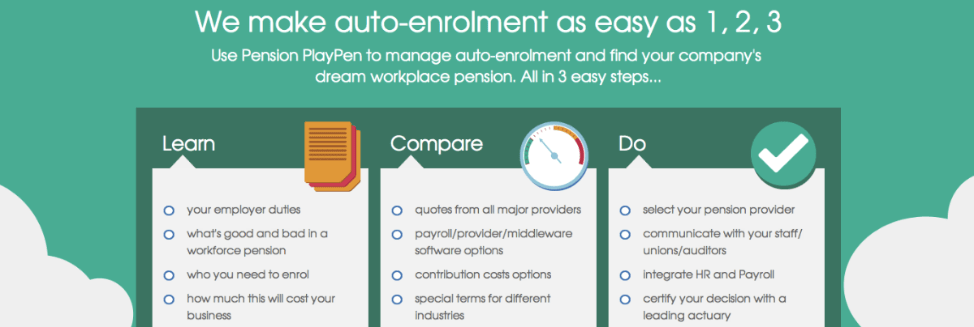
- There is still too much confusion about what an employer can and cannot do without advice. Neil confirmed that employers can select a workplace pension for their staff without advice. It seems the Pensions Regulator is keen to encourage self-service (the AE section of tPR’s website is getting there but needs to be considerably more segmented in its approach- right now it is all things to all employers and is a little confusing as a result- we are relaunching the auto-enrolment section of www.pensionplaypen.com for late 2014 stagers and suggest tPR does the same.
- The majority of individuals have staged but the vast majority of employers haven’t. This is all about the automation of the onboarding process
- This was the key learning of the symposium, There was general consensus that there isn’t a capacity crunch in business as usual provision of investment and record keeping services but an acute problem on boarding (implementing) those services. More needs to be done by providers to get employers integrating workplace pensions using “straight through” technology.
- Are smaller employers going to leave AE too late? asks Neil Esslemont-tPR? Will existing pension be fit for purpose can they get a new one?
- There was a cute observation from Mark Ellis who has operated payroll for the kind of organisations that are staging in 2014, he reckons they are habitual “last minute jonnies” and the biggest risk of a capacity crunch will be created by their brinksmanship on timing.
- 200k employers to stage in last quarter of 2016 says tPR- that’s a Capacity Crunch! #AEO2014
- The problems faced in 2014 had better be sorted because this is just a dress-rehearsal for the trauma to come
- Interesting new chart from tPR shows considerably more employers in A4 2017/Q1 2018 than seen before
- The numbers of employers being deferred into the back end of 2017 seems to have increased dramatically since the last time I saw the staging chart
Following Neil’s opening remarks the 50 or so delegates split into four groups to consider whether the capacity crunch was on its way, when it might happen and what was a “worst case scenario”.
I noted some interesting comments from the floor
The Regulator mentioned that their current biggest concern was with the problems of hidden companies. Many employers use larger employer’s payrolls to pay staff, they are either getting employee’s staged early (as part of the auto-enrolment of other employers, or not at all- as the parent omits these employees (rightly pointing out that they are not their obligation). In the majority of instances these employees are going to be staged in the end of the party sweep in 2017.
The Regulator also had encouraging news on Registration. There had been little evidence of non-registration of employers staging so far (though some had registered late).
The Regulator suggested that where the system was creaking was with companies running out of time with their monthly cycles – typically when they operated a payroll tight up against month end.
So what are we to make of this? I took away a feeling that the administration of auto-enrolment was going well, with no fines being dished out as yet, it does not seem to be auto-enrolment process that is the major concern.
Of more concern was the lack of awareness of what providers were up to and the feeling that both with the legacy of small schemes and with the new schemes being written there was a danger that the pension schemes into which money flowed- might not be fit for purpose.
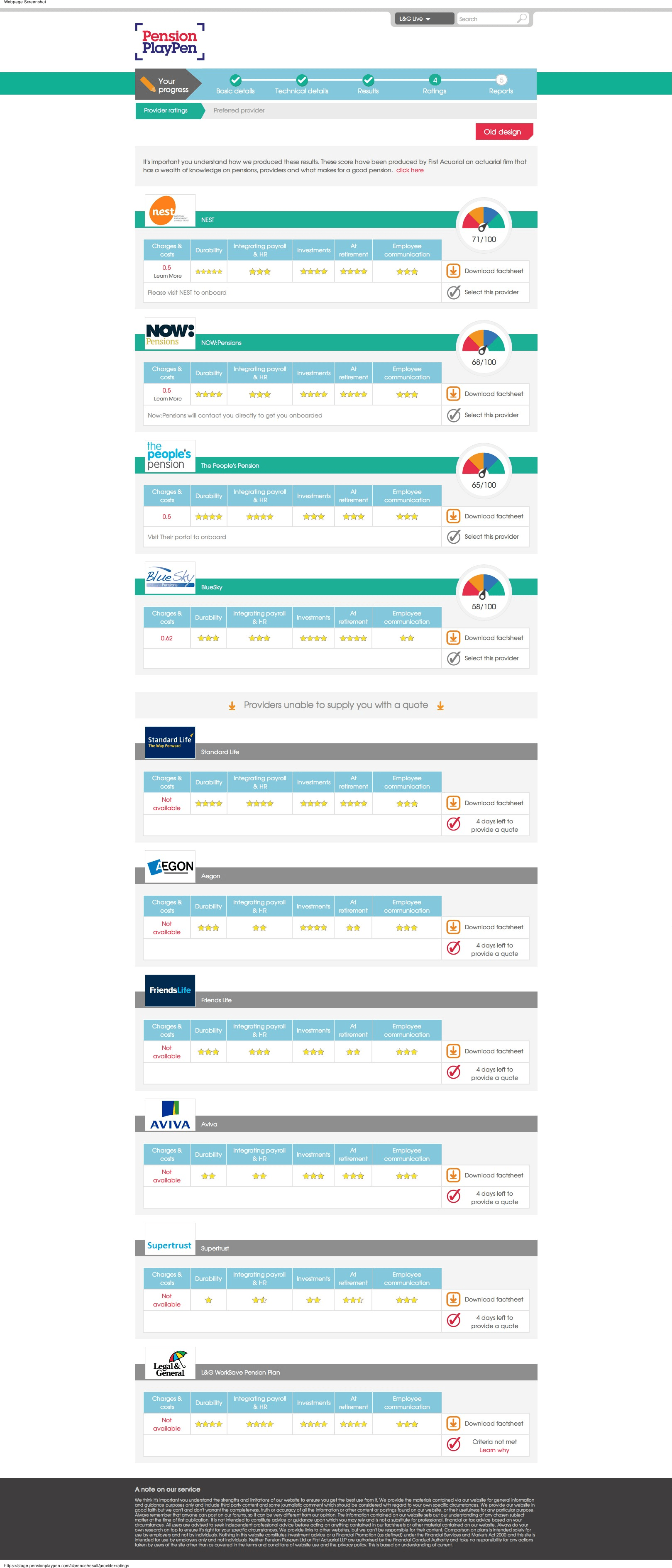
There were calls for the DWP to publish the capacity of providers to take on new business (not just NEST but other mastertrusts and indeed insurers running GPPs). This sounds like a great idea. We’ve long thought that what is needed is a clearing house to ensure that employers are aware of the choices available (smart readers will have worked out that this is what www.pensionplaypen.com may well end up being!
The consensus was that while 2014 looks like it will work, a lot depended on insurers like Legal and General, Aviva ,Friends and the Scots staying in the game for the smaller end of the SMEs in 2015. Encouraging noises were heard from NEST and People’s who were both represented and sources close to NOW suggested that there was no diminution in the appetite of these organisations post 2015.
When it came to doom mongering, a number of worst case scenarios were touted. To me the most likely threat to auto-enrolment comes from the anti-red-tape campaigners and those who argue that any additional burdens on small business inhibits the “growth agenda”. Political change in 2015, especially a violent swing to the right is to me the main threat.
There was a substantial body of delegates who considered the failure of auto-enrolment might damage the reputation of pensions, my feelings are that the reputation of pensions is pretty well impervious to damage- pensions have a reputation for failing to deliver and the only way is up!
So what is to be done from all this talk (and reading)?
If the CIPP’s Friends of AE are to develop into a meaningful group, there has to be collaboration and a willingness to make auto-enrolment work. Frankly comments about the desirability of failure to suit the business models of some recovery experts, is not helpful. Any hint that there is a secondary agenda at work will not go down well with anyone outside the industry and I suspect that the majority of people in the room have much more self-interest in a successful auto-enrolment process than market failure.
The group is now likely to split into a number of work streams, I’ll volunteer myself to work for a more effective system of sourcing good pensions, others will continue to hurry up the payrolls, others should work towards sorting out problems at retirement and I’d very much hope that the accountancy bodies represented in the room will step up to the plate.
Nothing but good can come from this meeting and I’ll finish by thanking the CIPP, Wragge and Andy Agethangelou for some excellent work.
This post first appeared in www.pensionplaypen.com/topthinking