This is a recording of Tuesday’s coffee morning on Net Zero. It was missed by many listeners who could not get on the call. For them, apologies, we will try to sort out our Teams. But you have the video and it includes most of the questions. I was perplexed by what was being said and so will some others , so this blog contains a simple explanation from Derek Scott – thanks Derek.
I’m sorry not to have properly understood this sophisticated talk. You can have the link to yourself by copying it from here
There is no Planet B
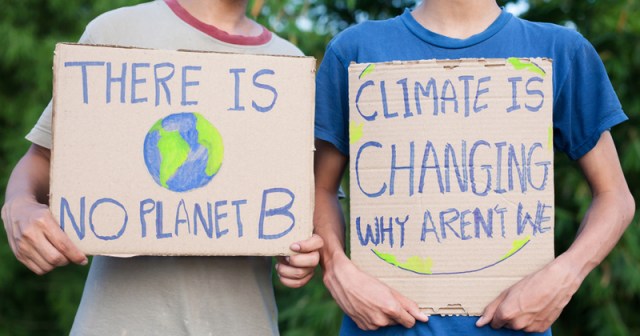
An image I first used 5 years ago and still makes sense to me
There is a whole conference dedicated to this sort of thing and you can register to go using this link.
Reading the advertisement , it became apparent to me that it would be different from our coffee morning.

Can you spot the difference between our group and the group below speaking at the Nature Positive Investment Forum?

There’s a simple answer, age and gender are different. I do not understand the Net Zero arguments carried on in the Pension PlayPen event, I can’t understand the arguments that Nico Aspinall rehearses on his and Darren Philp’s podcasts, I need to have matters explained to me in simple terms and hope that I will find this out on April 25th.
I can understand this from Derek Scott
Derek puts the complex arguments in simpler terms that help me understand the pickle professionals are in.
My takeaways from today’s webinar include the following challenges:
For well-meaning trustees, consider whether passive investing may be allocating capital to the status quo rather than to climate transition.
For legal advisers, challenge directors or trustees and other management about whether net zero policy statements are consistent with decision making and other governance practices.
For journalists, report and inform on relevant climate transition actions or inactions, the good, the bad and the ugly.
For accountants and auditors, consider whether recognition-of-obligations criteria in IAS 37 and FRS 102 apply to climate transition policy statements.
In accounting parlance, a ‘provision’ is a liability of uncertain timing or amount and should only be booked when three criteria have been met:
1. A reporting entity has an obligation at the reporting date as a result of a past event.
2. It is probable (ie more likely than not) that the entity will be required to transfer economic benefits in settlement.
3. The amount of the obligation can be estimated reliably.I’ve always considered the smaller profession of actuaries to be better at estimating certain liabilities (eg pensions, insurance) than the larger profession of accountants, so perhaps actuaries should help auditors towards more reliable estimates!
Mike Clark drew attention to a collaboration between the Institute & Faculty of Actuaries and University of Exeter which produced last month’s Planetary Solvency report.
Even if all three recognition criteria in IAS/FRS are not met, better disclosure of contingent liabilities may inform users of entity reports a lot better than the current piecemeal reporting of annual emissions etc.
Apologies for dwelling on the challenges for accountants rather more than for the others, but I used to be one …
It’s important that the arguing stops and we need a simple way of reporting -agreed!
I get that “Net Zero” is important for accountants and actuaries but I want to know how we are getting on. Ordinary people need to know about Plan A!
Con Keating was simple, we may need to do our planning around the inevitable changes the planet is undergoing . This is what changing to meet the climate means to me.


You may find this podcast interesting
https://www.man.com/insights/ri-podcast-hortense-bioy?pcid=C000060361&utm_source=miauto&utm_medium=email&utm_campaign=psf