

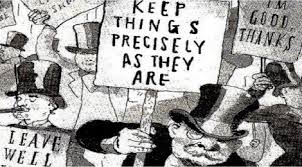
“If you ain’t cheating – you ain’t trying”
“Time to lay off the banks” – I hear it every day. I live with a Director of a leading retail bank- she claims not to read my blogs – I’d like to believe her!
So it is with trepidation, and from the safety of a hotel in Walsall, that I call on UK pension funds, insurance companies and other financial institutions who depend on Barclays, UBS, CitBank, JP Morgan and RBS and Bank of America.
I say this because the Banks in question are getting away with it
Shares in Barclays gained 3.4% and RBS rose 1.8% on news that the fines dished out for stealing money from clients were less than expected by the market.
Lets be clear, the distance being put between the senior executives of the banks and the behaviour of their traders is improper distance. The management of these banks chose to turn a blind eye to the chatrooms which allowed collusion to go on, and pocketed the majority of the resulting profits. Those profits paid back to the traders as bonuses were little more than incentives to continue what in the US at least, is considered illegal.
This is not a victimless crime. In my area of expertise, Pension Schemes have had to pay over the odds to exchange currencies and the money spent has been money that could have been paid, shoring up deficits and/or paying salary. Ironically, RBS and Barclays both run the kind of schemes that could be victims of fraud.
It seems ok to take away the illegally earned cash of illegal (impoverished) migrants, but to leave the perpetrators of these massive frauds alone.

When State Street, was caught with its fingers in the till last year, I campaigned to keep the brand in the news, so that it could be properly punished by loss of new business and the odd loss of existing clients disgusted by its behaviour.
While the Regulators can hit the Banks’ balance sheets with fines, it is unlikely that this will hurt the pockets of anyone but the shareholders. Again, the shareholders may already be victims as the shares may sit under the custody of the very banks being fined- and be owned by the fiduciaries of occupational pension schemes (for example).
Much has been made of the lack of accountability of the management of these banks. I know exactly how they should be punished. Imagine getting this letter after pitching for new business.
“your pitch was rejected as we will have no truck with an organisation that has been found guilty of stealing the money of trustees like us”
or
“we have decided to re-tender your contract with us in the light of the revelations about the brazen behaviour of your employees in the Forex markets- and the blind eye your bank has turned to it”.
Hermes are taking on Deutsche Bank for malfeasance on these lines. Organisations like PIRC and ShareAction organise shareholders to stand up against this behaviour. The use of voting rights is a more effective deterrent as it can be targeted to improve shareholder value to curb the powers of management.
Those of us old enough to remember the boycotting of Barclays by retail customers over their support for apartheid, know just how powerful the exercise of personal governance can be.
You don’t have to put business with the rip-off merchants
The most effective way of exercising our disgust at this behaviour is in the way we engage with miscreant banks. Not all banks are the same, Forex does not have to be rigged.
There are organisations that provide the services that these Banks have been abusing, either directly (KAS Bank have an unblemished record) or through benchmarking (our friend Tony Woodward at Chartpoint).
The long term solution is to get transparency into the market as both Kas and Chartpoint are doing. If we know what good looks like, we can avoid bad better.
But in the short time we should be absolutely clear that for Barclays, UBS, Citbank, RBS, JP Morgan and Bank of America this is not “business as usual”, their behaviour will continue to be considered odious and their capacity to generate new and retain existing business, curtailed.