
What a fantastic piece of news to kick off the first week back at school. Over the summer, Rob Gardner- known to us as the founder of Redington and Mallowstreet and the man who turned around SJP as an investment house, has done a deal with West Yorkshire Pension Fund to launch Rebalance Earth as a funded entity. I am also very pleased for my friend Mark Scantlebury who’s unstinting advocacy for Rebalance Earth has changed me from sceptic to convert.
The FT have the story and I’m pleased to see that Mary McDougall has written it, I gather that Mary, who has previously covered bond market, is stepping into the shoes of Jo Cumbo who has taken a wider brief . We wish Jo well.
If you would like to read or download the press release issued by West Yorkshire and Rebalance Earth, it is at the bottom of the blog.
Nature means business

Rob Gardner
Rebalance Earth is the first UK boutique asset manager entirely focused on Nature as an investable asset.
Over the next decade Rebalance Earth aims to mobilise £10bn from long-term asset owners to invest in UK natural infrastructure, to build climate adaptation and resilience.
The Local Government Pension Scheme is collectively the largest funded pension scheme in the UK. In England and Wales alone if invests around £400bn on behalf of 6.4 million members and 15,000 employers. The Government is currently consulting on how LGPS can become more effective in the use of this money both in England and Wales and in Scotland.
Local Authorities, the largest employers in LGPS carry the brunt of the risk prevention against flooding. It is heartening to know that it is funding with venture capital, Rebalance Earth. This is precisely what LGPS should be doing and well done West Yorkshire Pension Fund for doing it.
Nature as a service
The UK needs to invest £100 billion over the next decade to restore its natural infrastructure. This is just 2% of the £5tn in UK pension and wealth assets.
Long-term asset owners care about the state of Nature. But as an investable asset class for long-term asset owners, Nature is at an early stage of development. This is changing rapidly with the emergence of innovative investment opportunities. Rebalance Earth’s DARWIN Fund, investing in UK Nature as business-critical infrastructure, is one of these.
Leandros Kalisperas , chief investment officer at the West Yorkshire fund, t told the FT it regarded the Rebalance Earth investment as “pretty important”. “We’ve devoted quite a lot of resources to making it happen,” he said, adding that he hoped to “accelerate Rebalance Earth’s business plan”
DARWIN as an investable
DARWIN stands for Delivering Adaptation, Resilience and Water Infrastructure through Nature
Nature restored will mitigate real-world risks such as:
-
Flooding
-
Drought
-
Water quality
-
Biodiversity loss
-
Carbon emissions
Rebalance Earth’s strategy is to make a clear case to companies, communities and cities that Nature is business-critical infrastructure, and by paying for its restoration in their local area, they will increase their operational resilience. The payments will come through Nature-as-a-Service contracts which will generate long-term cash flows for investors.
By generating cashflows from Nature it becomes an investable asset class.

Proposition for companies

Rebalance Earth’s Nature restoration projects will provide companies with operational resilience from climate and Nature related risks by:
-
Reducing risk of damage to assets
-
Reducing business disruption
Gardner claims that NaaS contracts will act as long-term offtake agreements that deliver reduced flood and drought risk, consistent water availability, improve water quality, an increase in both biodiversity and carbon sequestration.
NaaS provides companies with the opportunity to address the root of the problem rather than continuously paying for the consequences.
These contracts will act as long-term offtake agreements that deliver reduced flood and drought risk, consistent water availability, improve water quality, an increase in both biodiversity and carbon sequestration.
NaaS provides companies with the opportunity to address the root of the problem rather than continuously paying for the consequences.
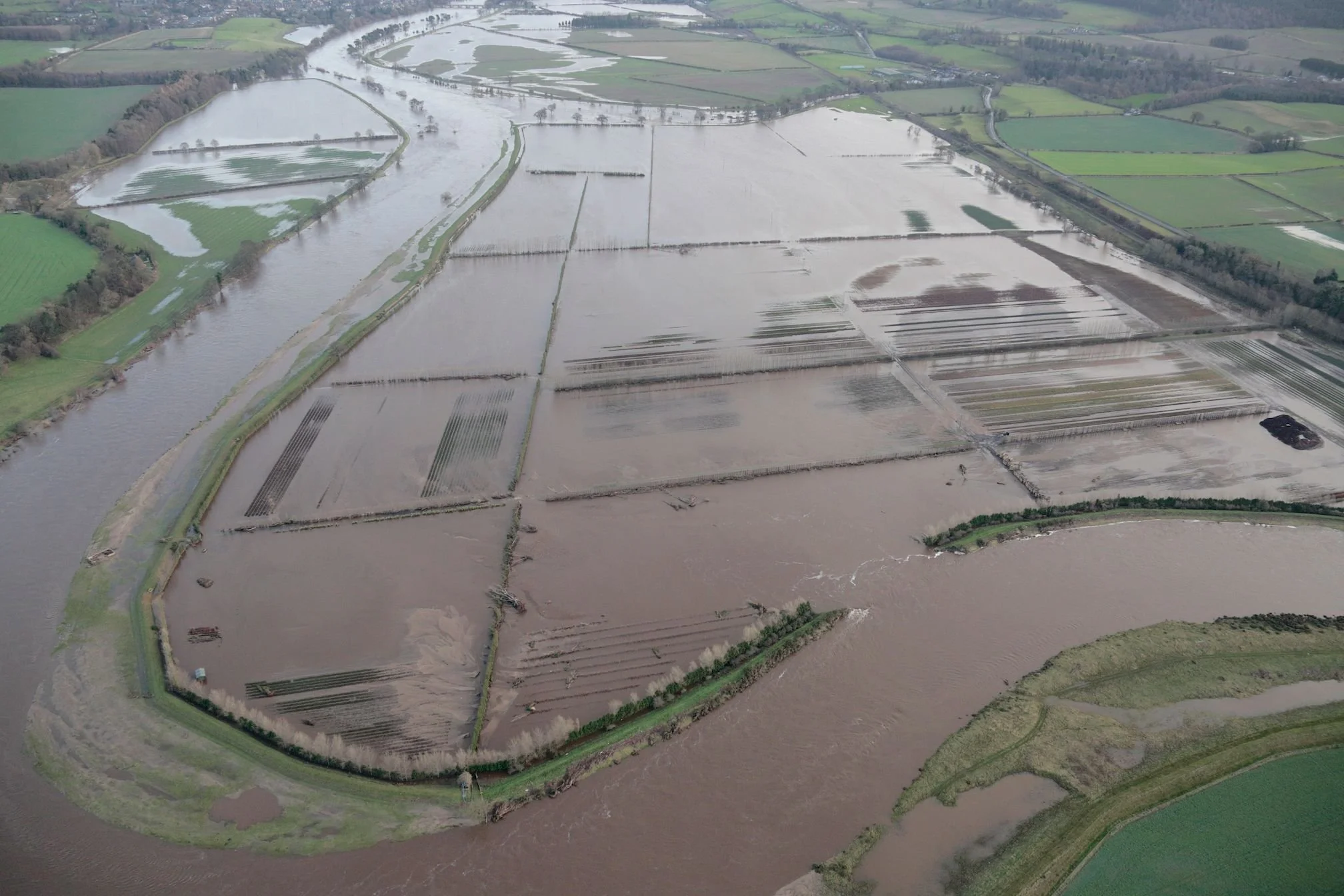
The Proposition for Landowners and farmers
Landowners and farmers are key stakeholders in our mission to finance Nature as business-critical infrastructure. Gardner claims that the substantial investment Rebalance Earth will bring to the restoration of Nature will support the farming community’s transition to regenerative agriculture; reducing the need for pesticides and fertilisers, boosting soil health (increasing carbon and water retention), and improving water quality.
The proposition for investors
Gardner states that investment in Nature needs to scale up significantly if we are to mitigate the impacts of climate change, biodiversity loss and the degradation of Nature. However the current investment returns on Nature, mainly from improving biodiversity (biodiversity net gain units) and carbon sequestration (carbon credits) are too small to support the restoration of UK Nature at a landscape and seascape level.
NaaS is a mechanism that aims to generate the volume of returns needed to mobilise capital at scale. Once companies start paying for the services of Nature because it makes good business sense, the opportunities to invest in Nature will grow way beyond the returns capacity of the Biodiversity Net Gain (BNG) and voluntary carbon credits markets. Cashflows from NaaS contracts will transform our approach to tackling the UK’s climate and Nature crisis.

GPAP: Geospatial Predictive Analytics Platform
Technology is driving the capacity to deliver
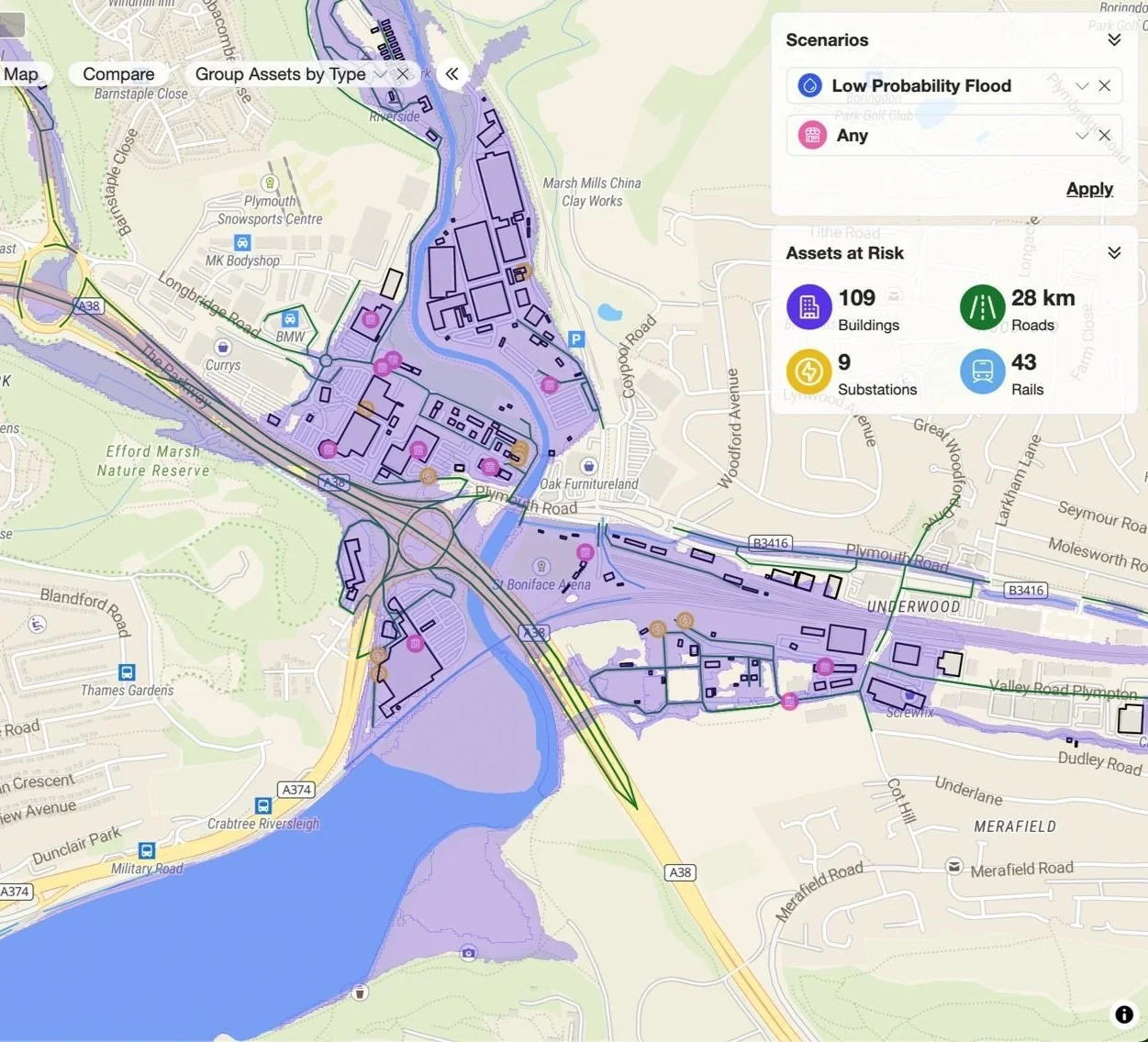
Rebalance Earth GPAP, assesses the risks companies and infrastructure assets face due to climate change and Nature and biodiversity loss.
GPAP determines the optimal mix of Nature restoration investments that simultaneously mitigate risks and deliver attractive returns to investors. Our data-driven approach changes the way Nature is valued and invested in, designing and delivering the most impactful solutions to drive operational resilience to companies, communities and cities, through Nature-based solution.

Well done West Yorks and Rob G! Within the Truell Conservation Foundation, we have being doing our bit to ‘rebalance Nature’ within our investments. Big impacts like fostering Global InterConnection Group to invest to bring 1,794 MW ( a nucelar power station’s worth) of geothermal and hydro power from Iceland to the UK and save 1.1 million tonnes of CO2; or, big bang for small bucks in Devon, as a farmland and forest owner to promote the reintroduction of beavers. Beavers have been proven to reduce flash flooding and have created a eco-tourism boomlet to bring local economic benefit.
Beavers are a great example of natural disruptors.
While many recognise there are some important ecological benefits to the return of beavers, it has come at a huge cost. From destruction of arable crops through blocking drains and ditches, burrowing through flood defences, felling of trees, flooding of commercial forestry plantations, the list goes on.
Even designated sites have been impacted in some areas, with beavers raising water levels sufficiently to threaten a site’s favourable status.
Infrastructure hasn’t escaped unscathed either, with some roads and railways being damaged by burrowing, damming and flooding.
Last year Network Rail announced they had successfully built ‘Scotland’s first beaver tunnel’ in a culvert under the Highland line in Perthshire, to much fanfare.
What they didn’t highlight was that it took several teams from Network Rail plus outside contractors and specialists many months of work to resolve the problem of a dammed culvert and build the tunnel, all at significant cost to the taxpayer.
Mr McKeeby (ahem)
I am glad that you have have pointed out the beaver’s disruption. It seems you can’t have omelettes without breaking eggs and I’m sure that every naturalist promoting Mr and Mrs Beaver (https://narnia.fandom.com/wiki/Beaver) , there’s a farmer cursing them.
I remember when coots nested in the outboard housing of the TPR’s head of enforcement;s river boat. The dear man followed the rules , let the coots be – and lost a summer’s boating.